
The Czech Philharmonic, competiton
The Czech Philharmonic, competiton
The topic of this extraordinary task is to build on the existing qualities of the visual style of the Czech Philharmonic, which has built up a strong, long-standing reputation even in this area of applied art. We are particularly expanding the rich tradition the Czech Philharmonic has established in this field, intending to exploit all its most valuable aspects and move it in a direction that will reaffirm its importance.
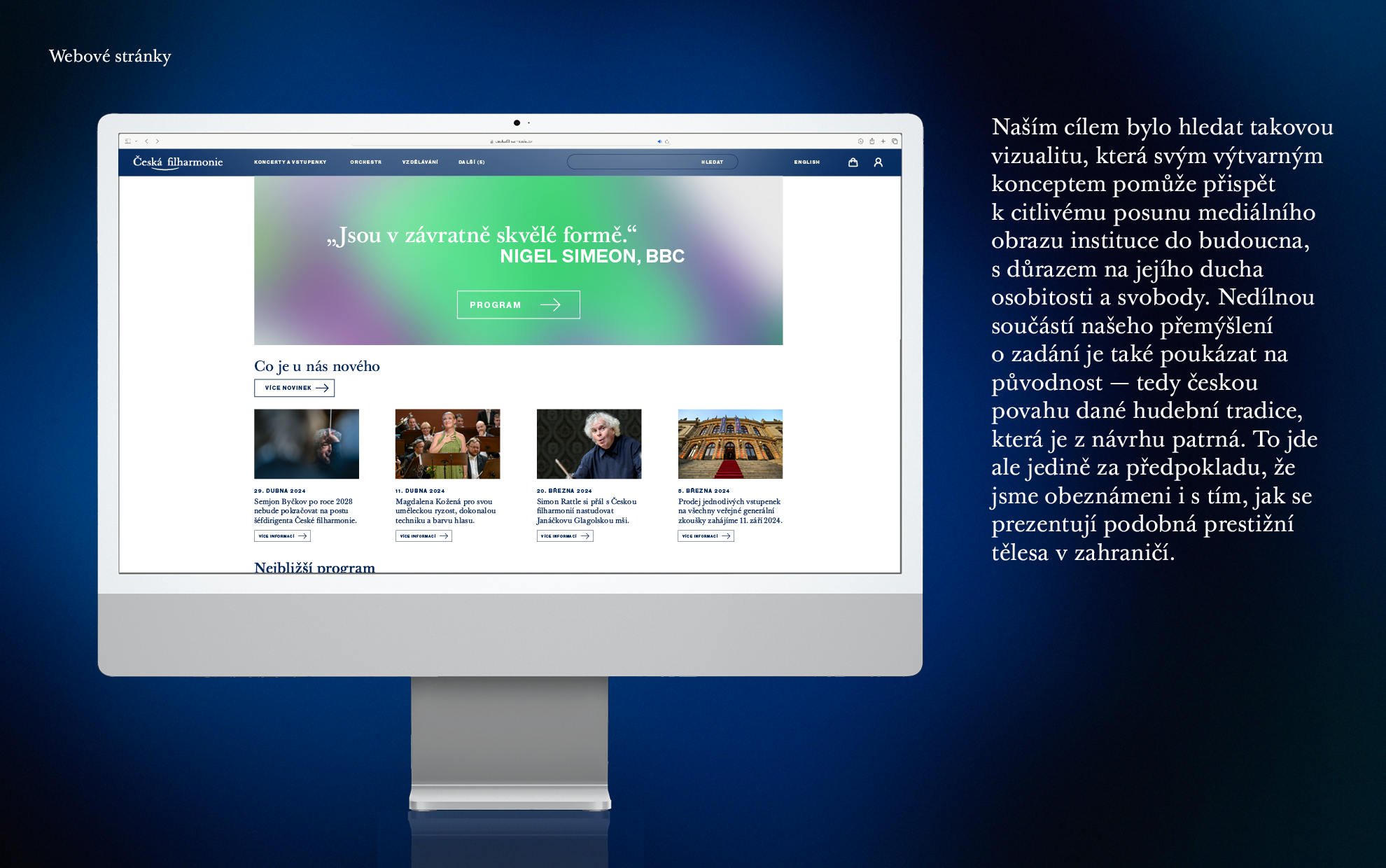
During the extensive preparatory research, we looked at the current graphics of the Czech Phil and the related societal, community, and artistic phenomena that can influence the visuality of such an important organization. We concluded that although it is the most important Czech orchestra, this ensemble’s media communication is still somewhat challenging to understand for a general audience, and, at the same time, it is not innovative enough, often conveying unnecessary conservatism. Our goal was to search for a visual identity that would take all these aspects into account; at the same time, its artistic concept would help to contribute to a sensitive shift in the institution’s media image in the future, emphasizing its spirit of individuality and freedom. An integral part of our thinking about the brief is also the need to highlight originality–that is, the Czech musical tradition, which is evident in the design. However, this can only be done if we know how similar prominent ensembles are presented abroad.
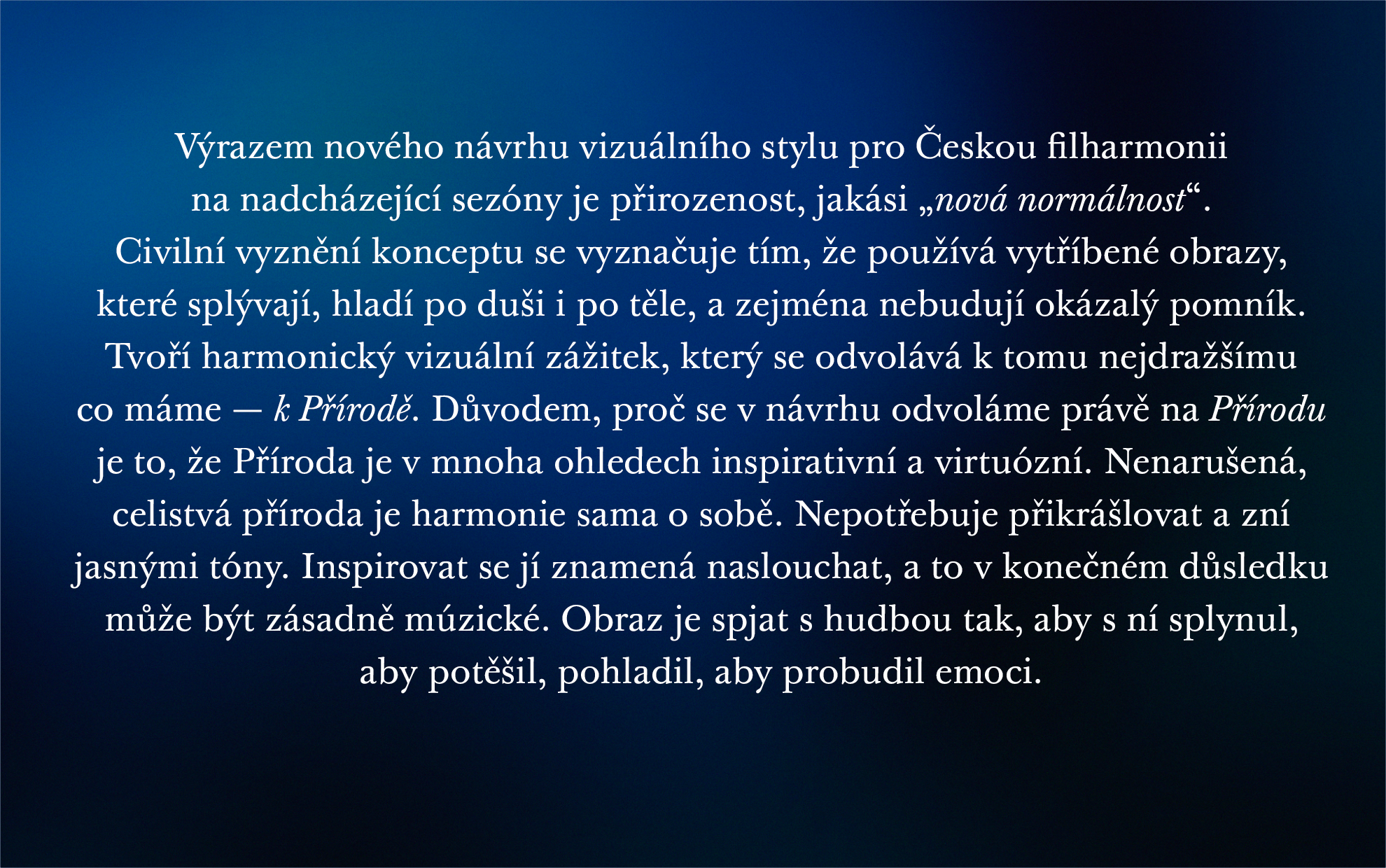
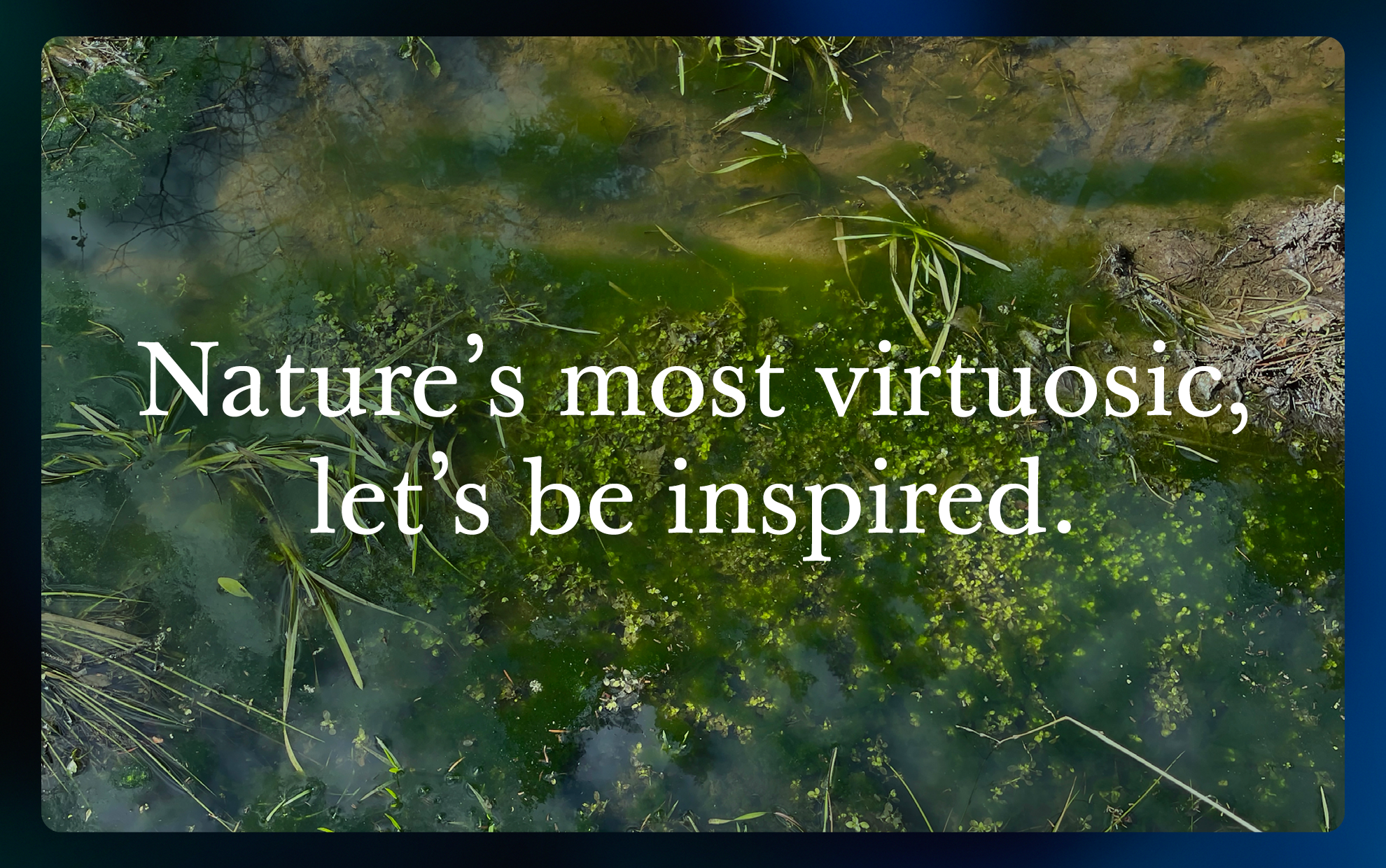
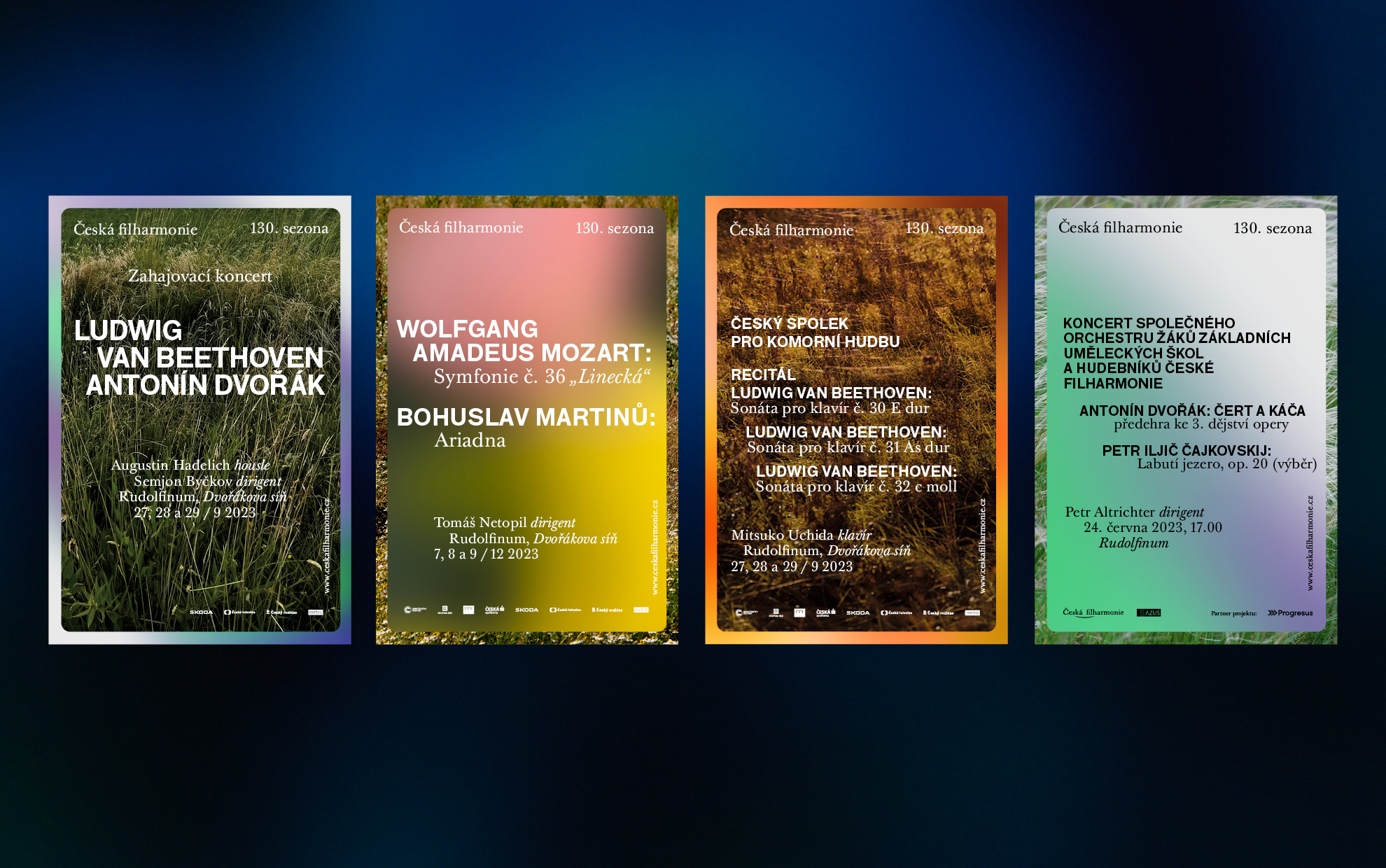
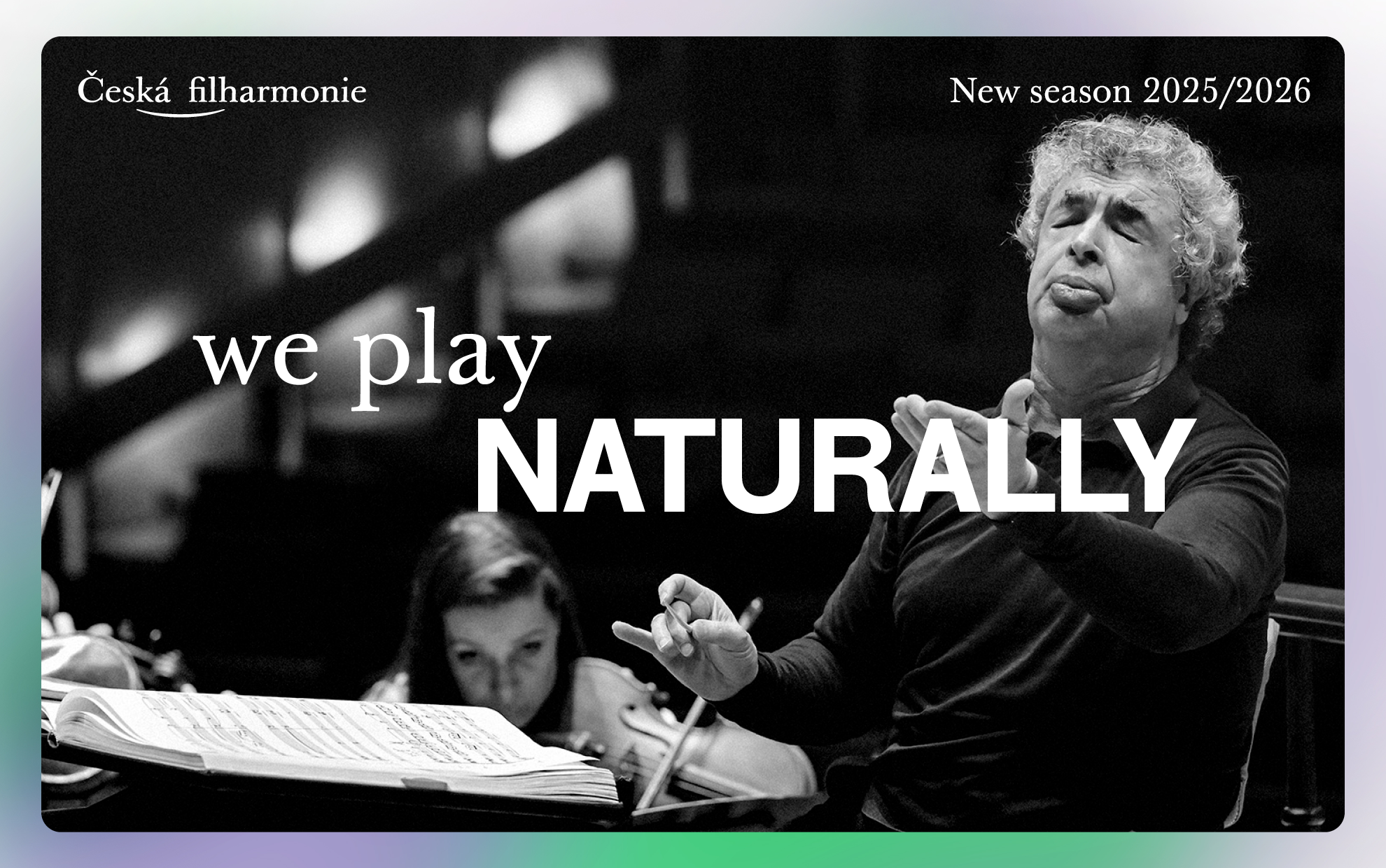
Our design expression primarily intends to achieve spontaneity–a sort of “new normality.” The civic appearance of the concept is characterized by refined images that blend in, caress the soul and body, and, above all, are not ostentatious. We want to generate a harmonious visual experience that appeals to the most precious thing we have–the natural world. We refer to nature in our design because nature, in a sense, is the most inspiring, the most inspiring virtuoso. Undisturbed, organic nature is harmony itself in the broadest sense of the word; it needs no embellishment and sounds clear tones. To be inspired by it is to listen to it, which can ultimately be fundamentally musical. Our concept strives to connect the image to the music, to merge with it, to please, caress, and awaken emotion.
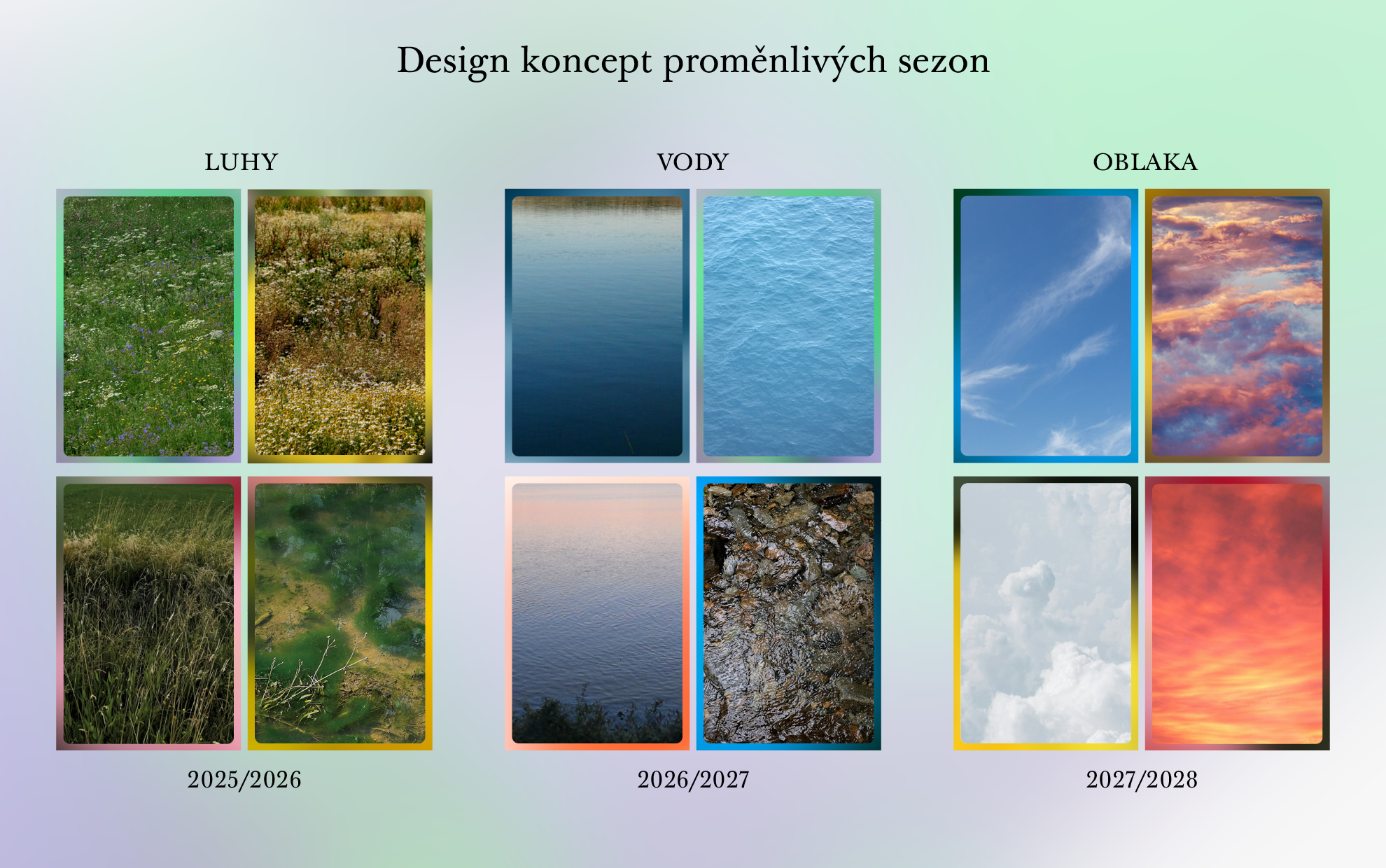
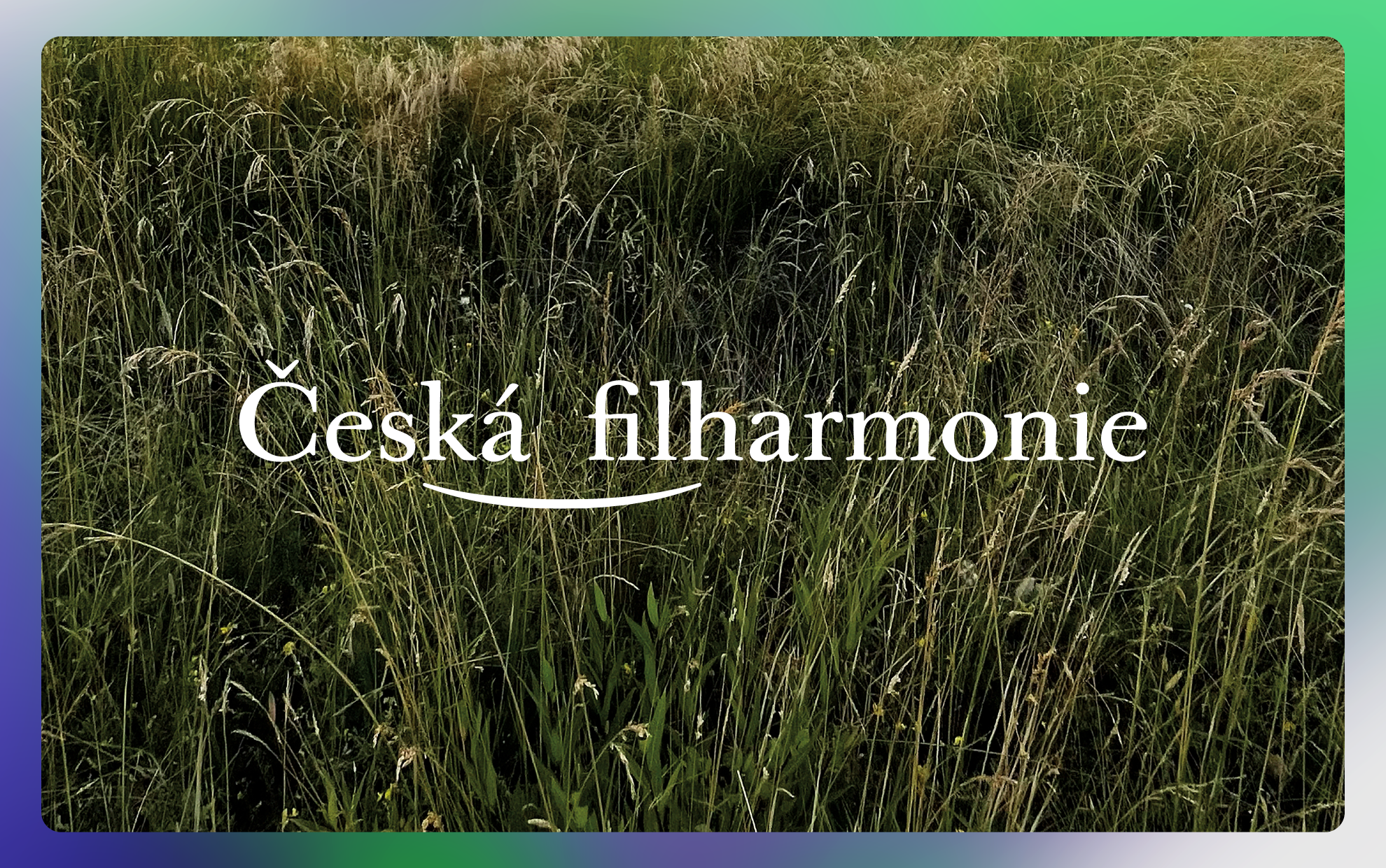
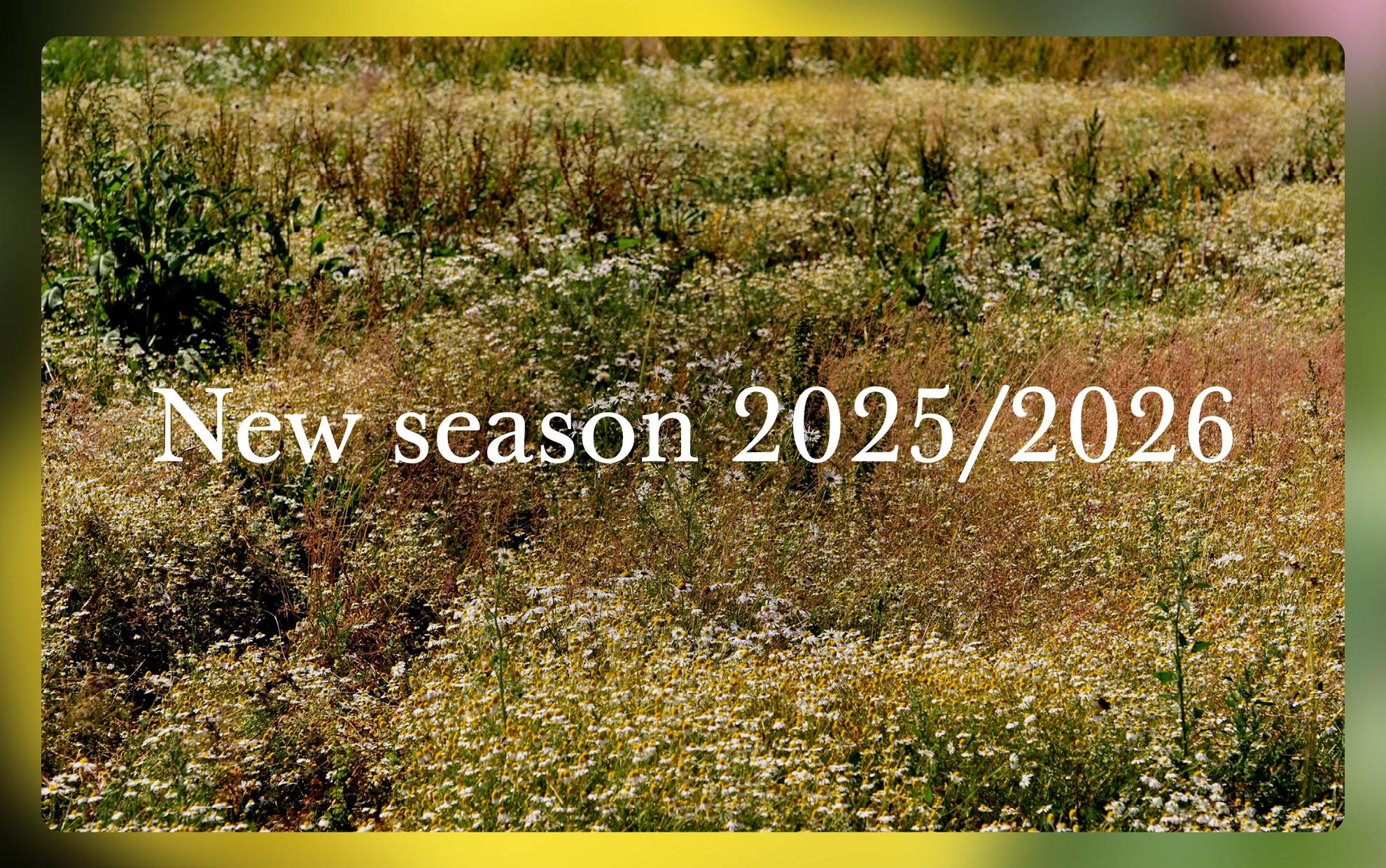
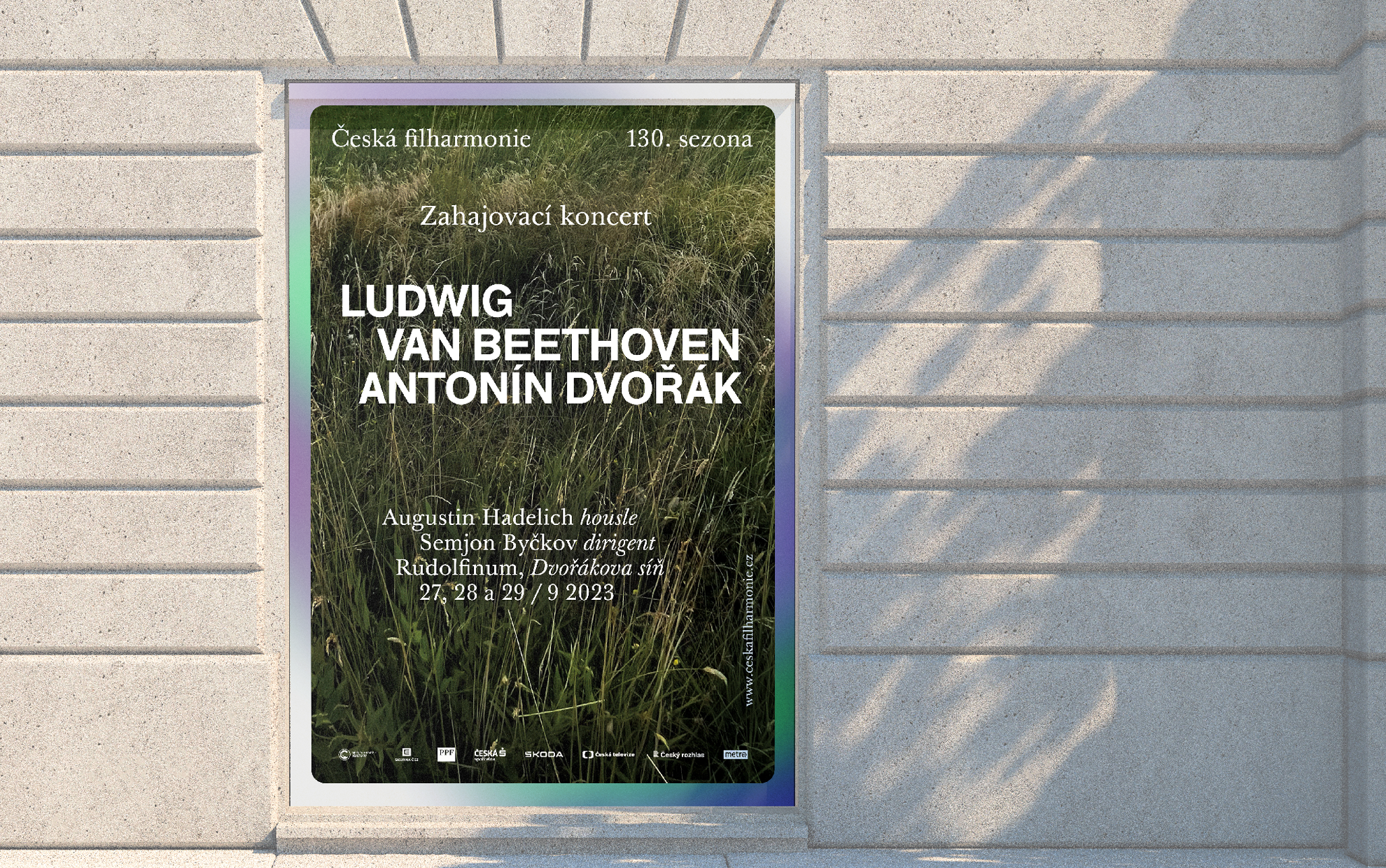
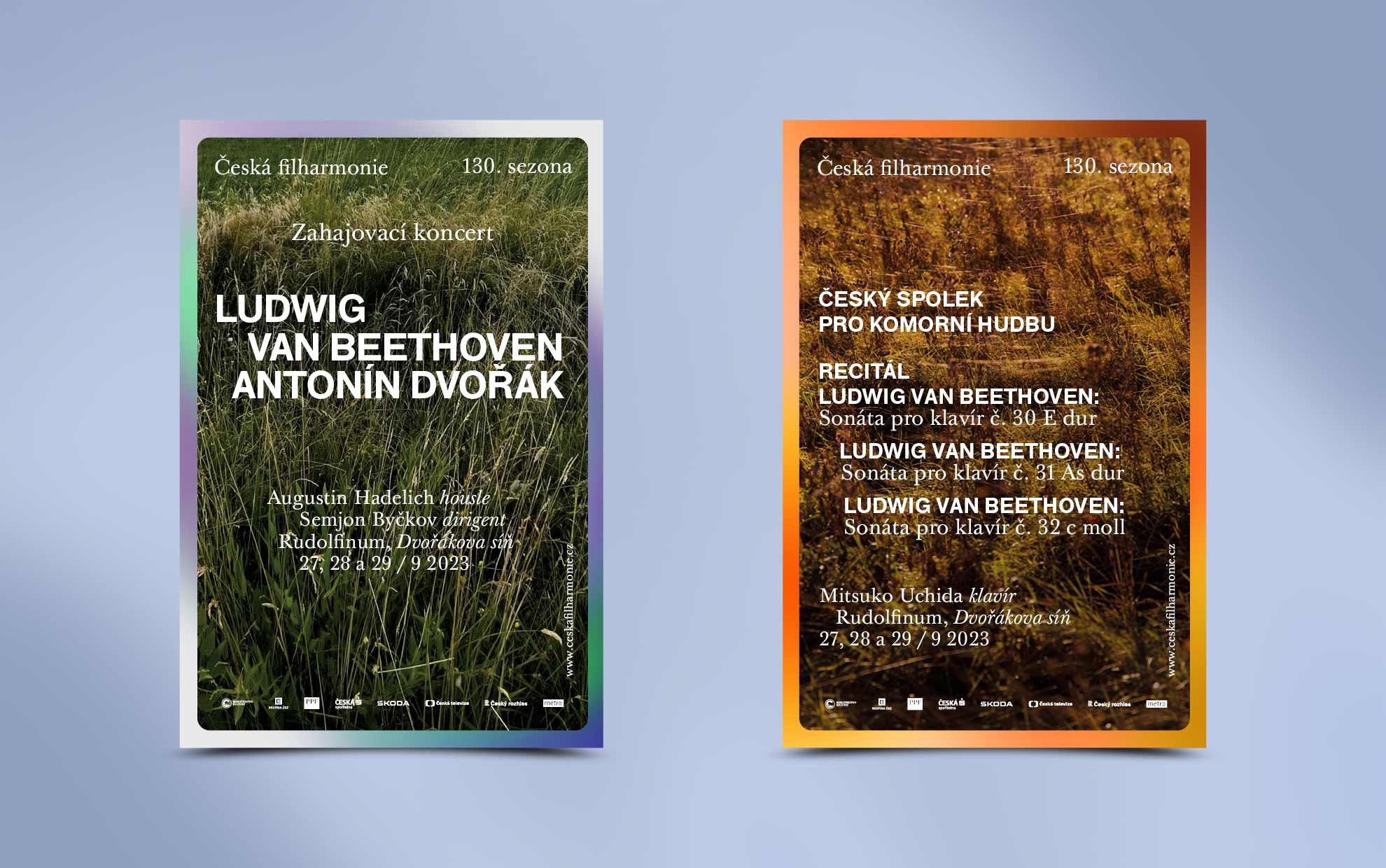
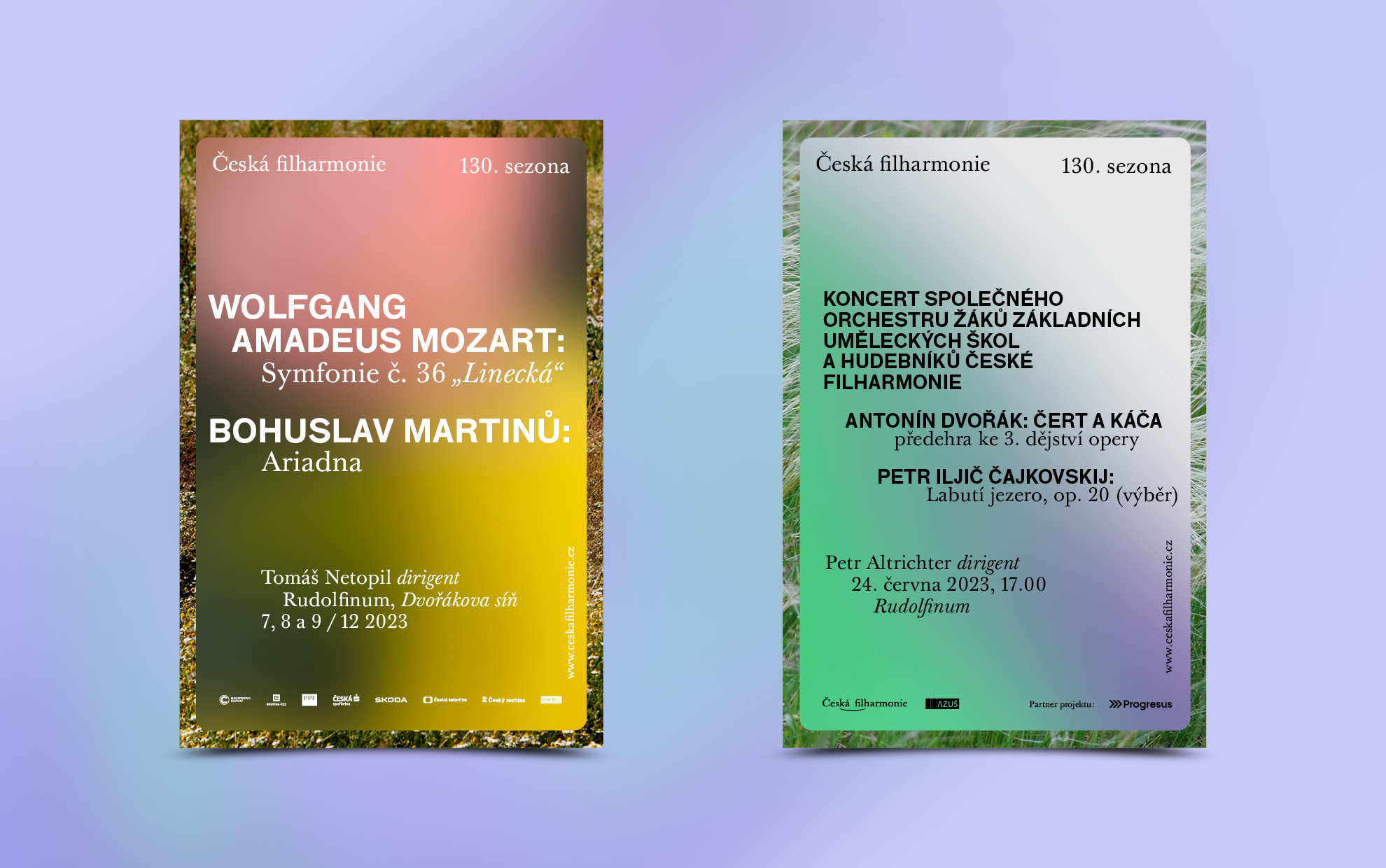
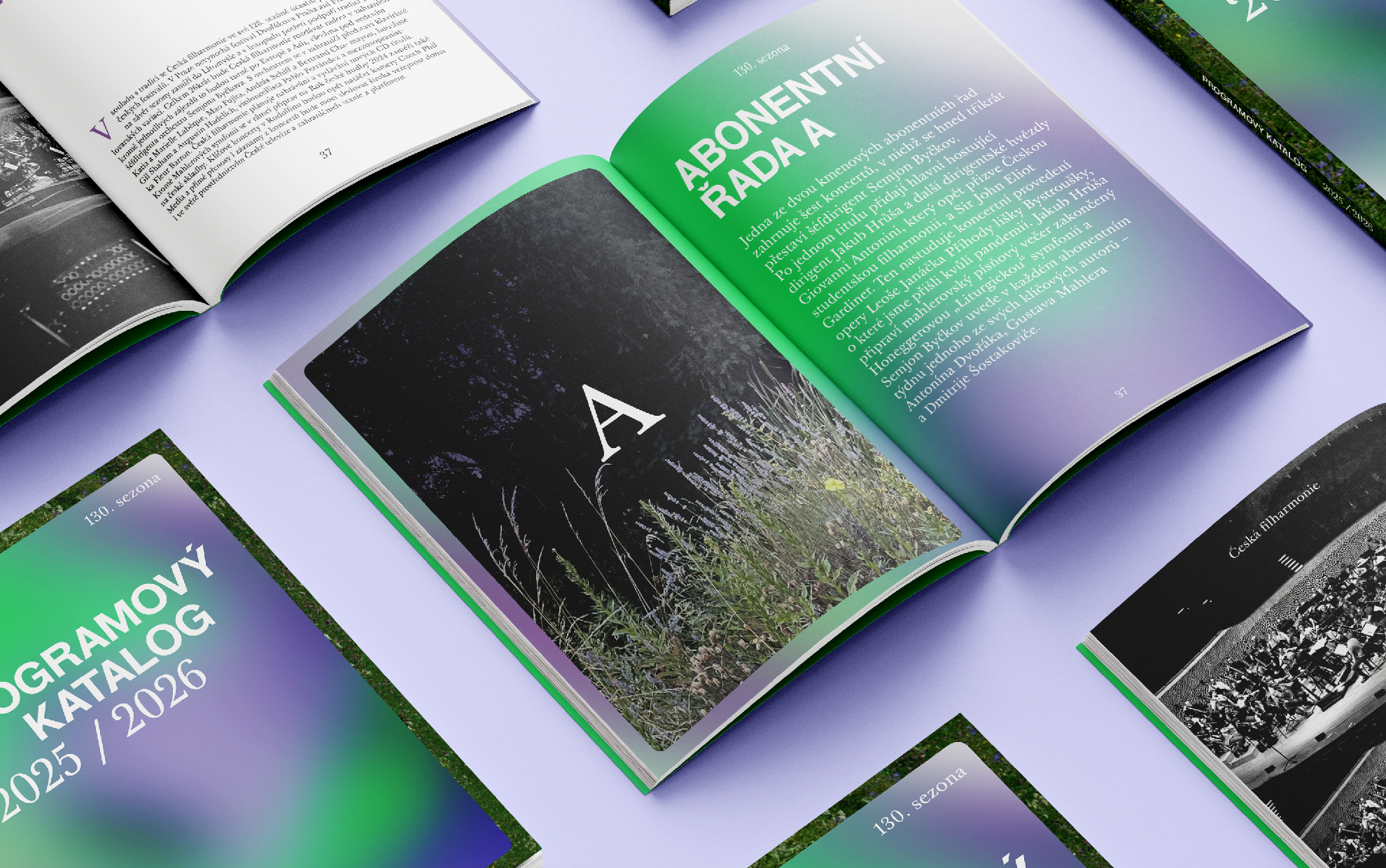
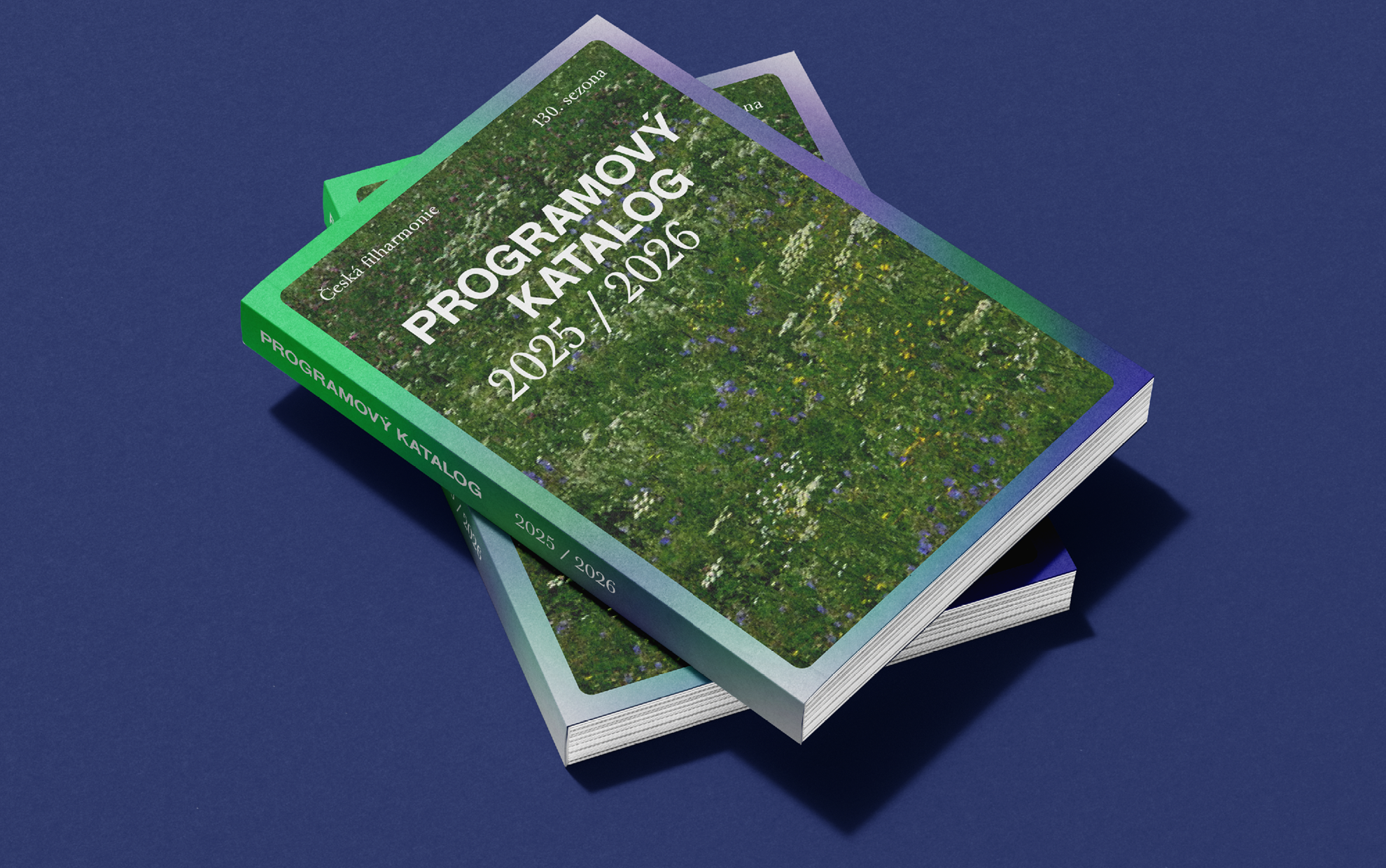
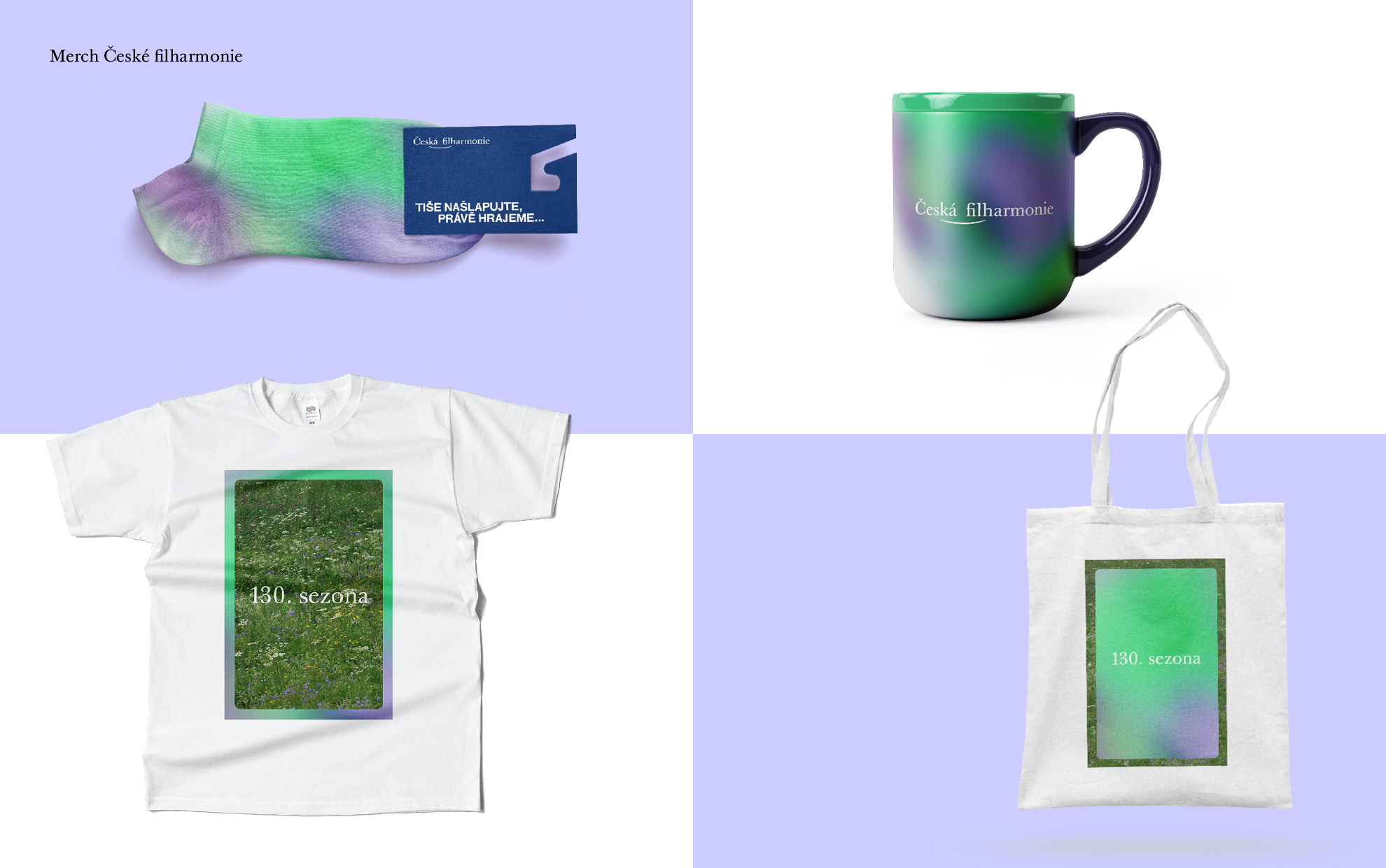
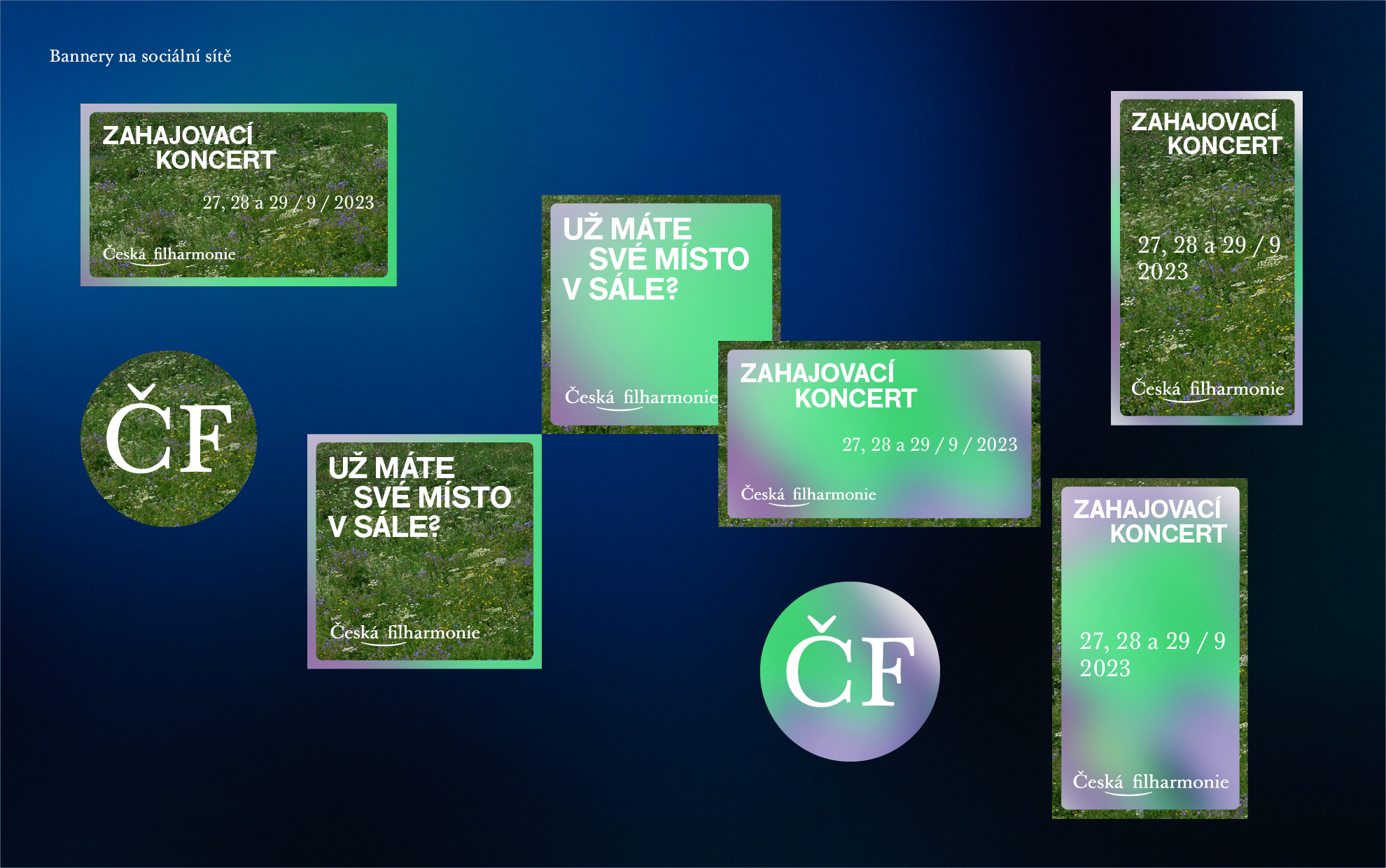
In this way, we particularly address the younger generation, who will seemingly very “ordinary” uncombined shots of nature in the images, such as a meadow, forest, water, or the sky. In a metaphorical sense, conceptually, the image of a beautiful Czech meadow is an eye-appealing concert where many participants play detailed roles in one masterpiece and become a musical ensemble. The same applies to a floating sky or flowing water. In addition, nature provides an endless number of distinctive images, which we show in our concept designs and which we would like to carefully implement using professional photography if we win the competition. Among the photographers we would like to approach for cooperation would be Oskar Helcel, Julie Hrnčířová, or Daniela Dostálková. We are convinced that images of nature in conjunction with the Czech Philharmonic can, for example, arouse positive emotions on social media, specifically because of its civic approach, which seeks to reach the young generation, which is very sensitive to these topics. We recommend that each photo of nature includes not only the name of the photographer, but also the location, for example, bogs at the spring of the Vltava River, Šumava, the South Bohemian Region.
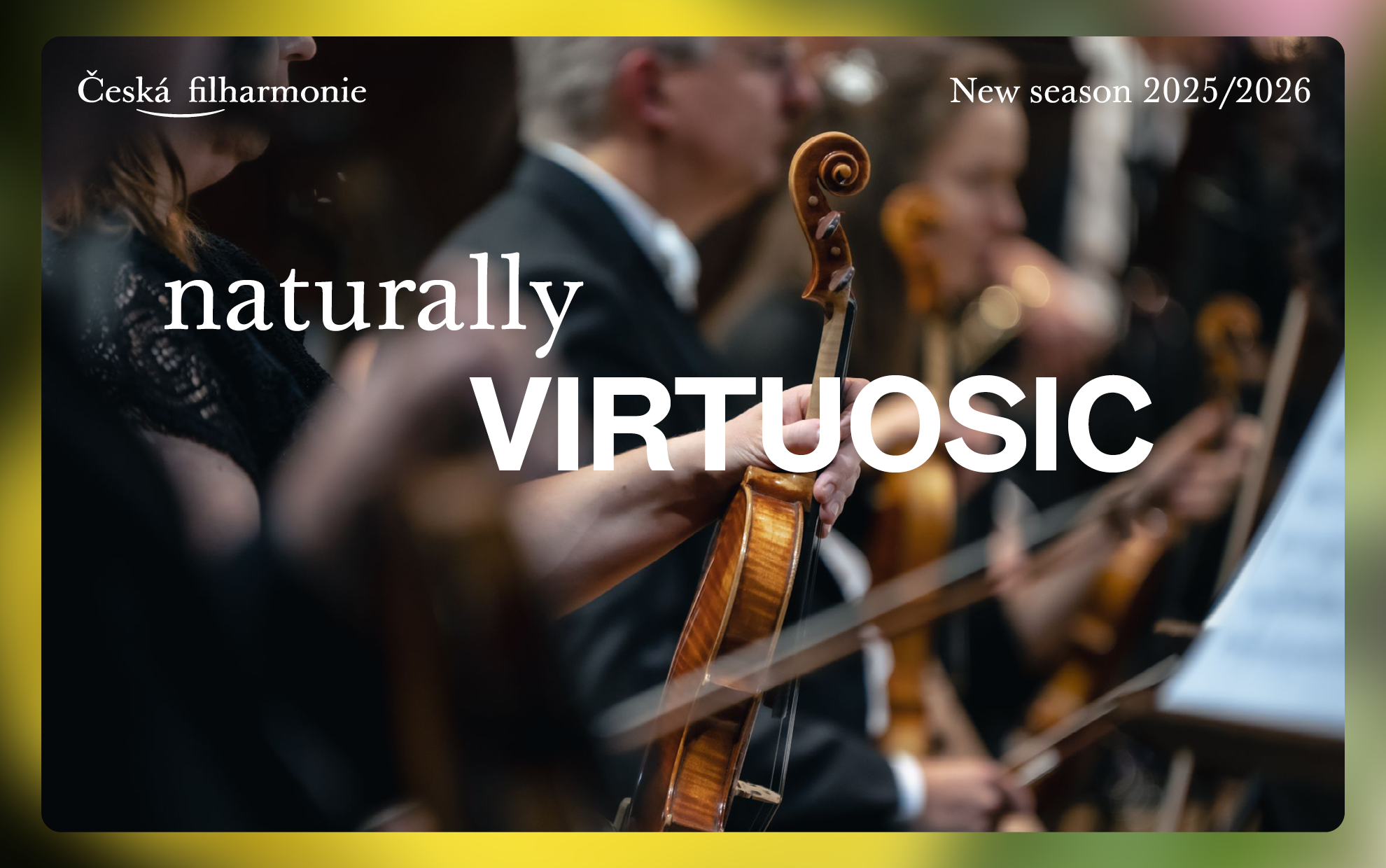
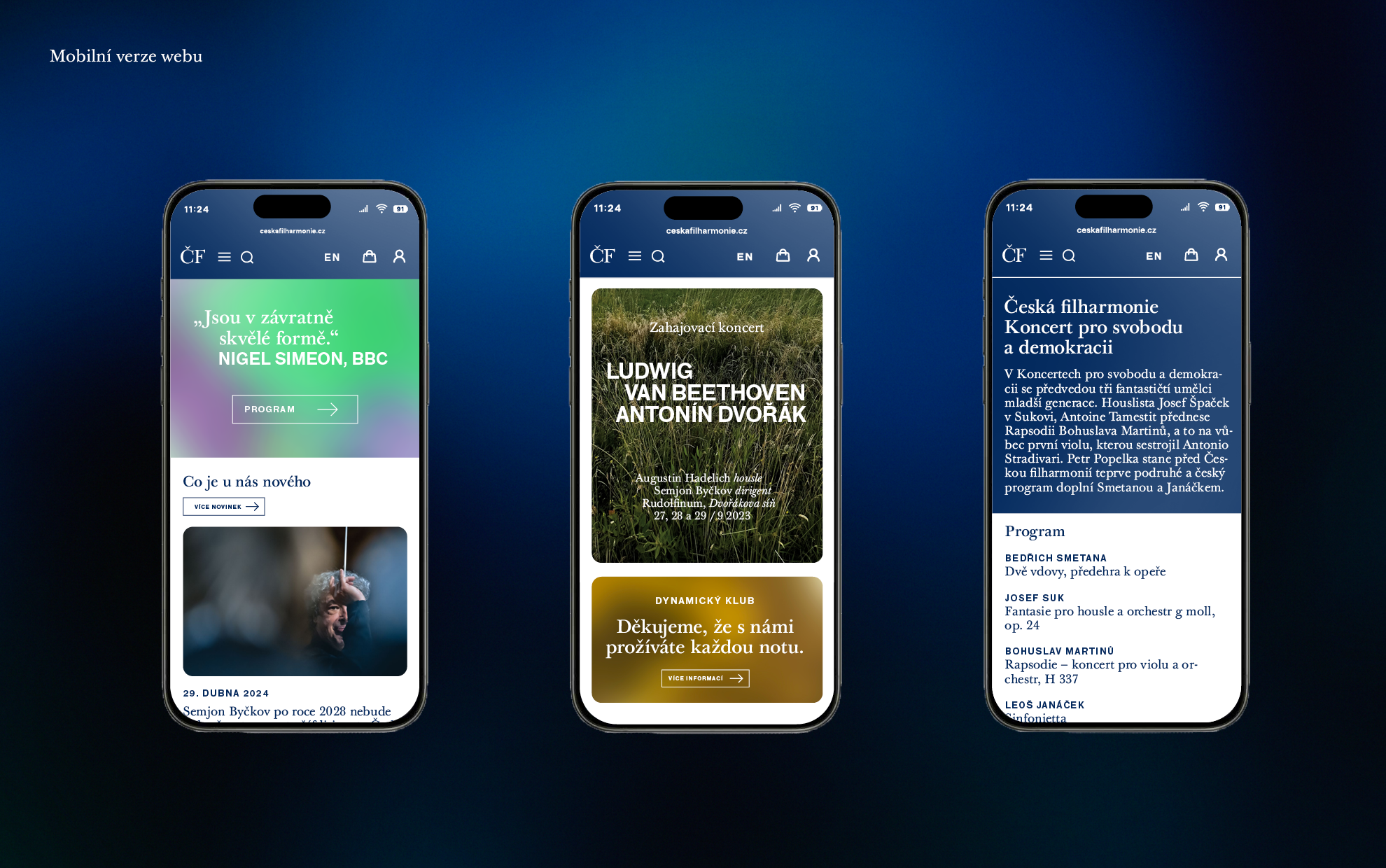
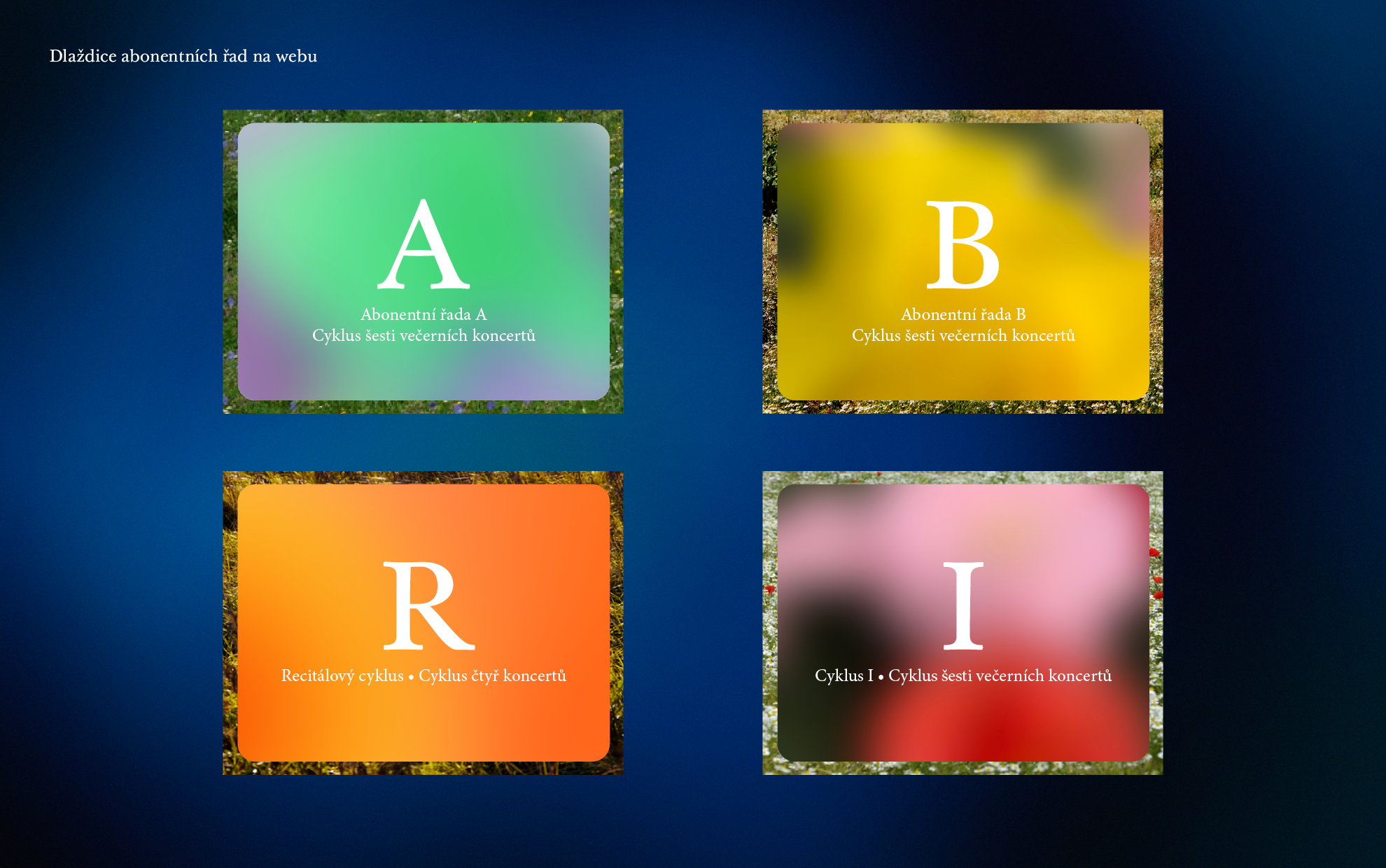
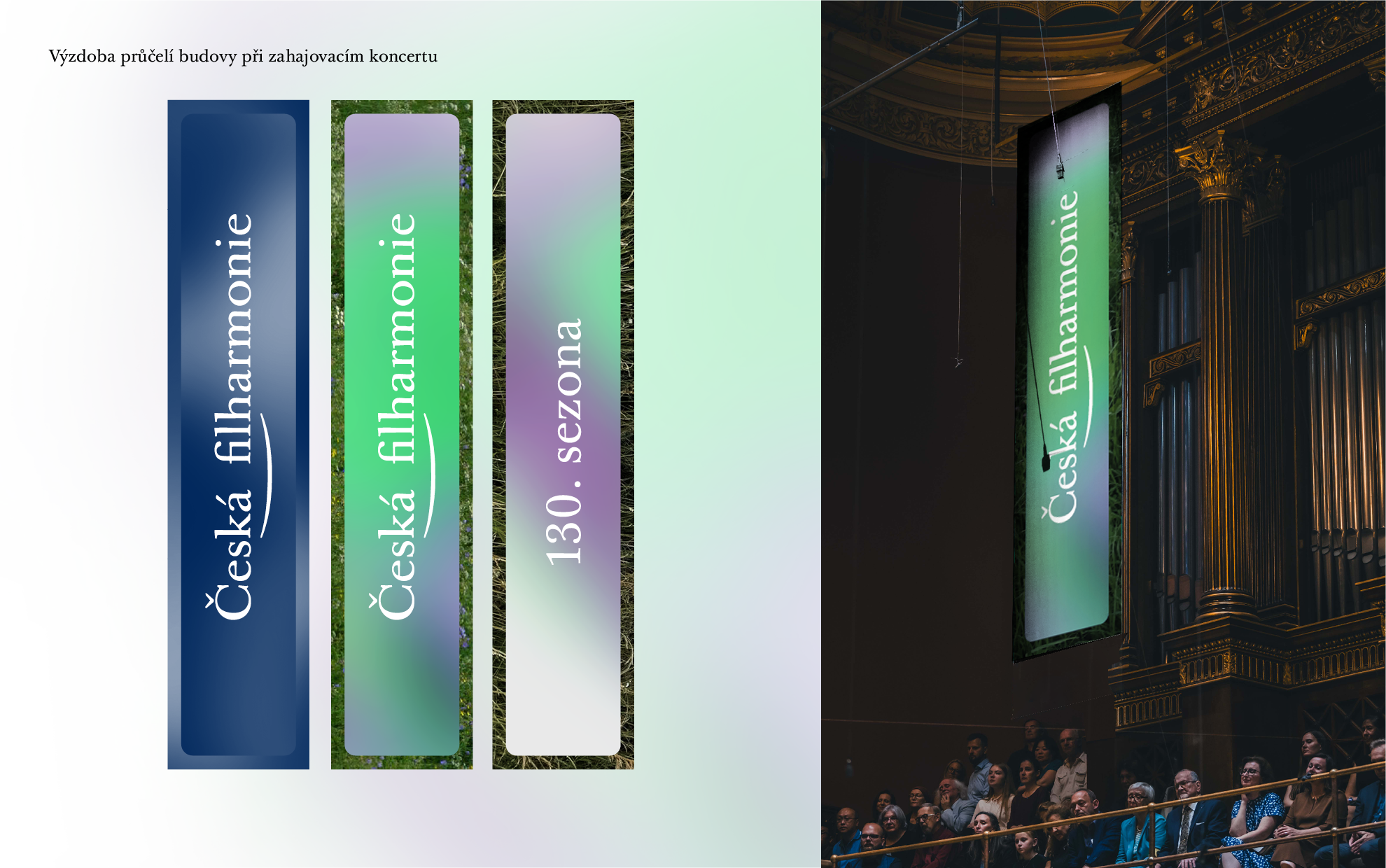
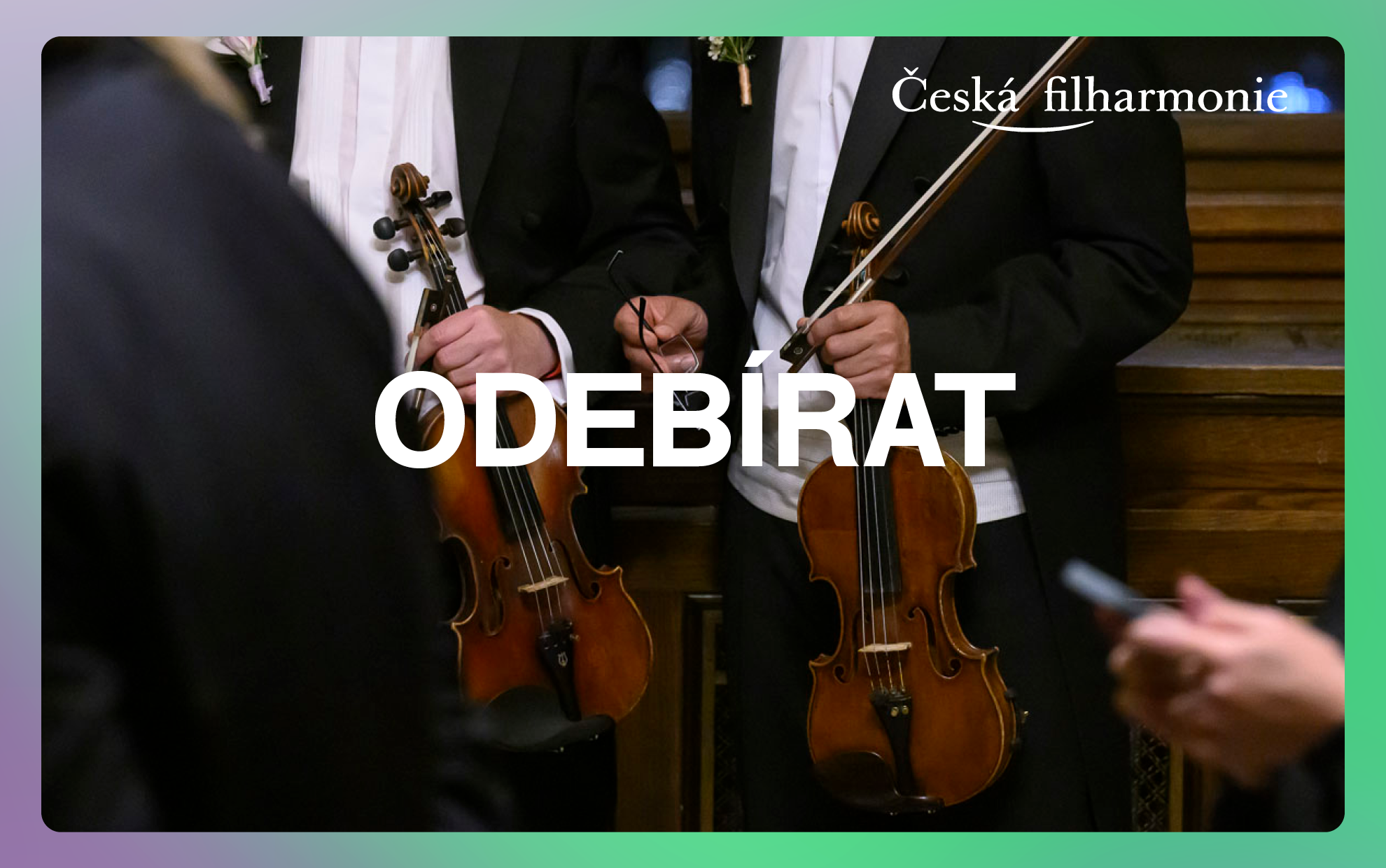
In addition, the new visuality of the Czech Philharmonic would be bolstered by color compositions in the “blur” mode, which are based on the original photographs but eventually look different, like a visual transformation. They could be used when we augment motifs from nature with these non-specific color “intermezzos”; thus, the design becomes more layered and diverse. This approach builds on the current layered visuality of Instagram and other social media platforms. These layers (the “blur” layer and the photographs) would be implemented over five years.
Design team
Klára Kvízová / Matyáš Bartoň
Image photo in the design
Klára Kvízová
Client
The Czech Philharmonic
Typeface
Baskerville 10 Pro, F Grotesk
competition, not implemented
2024